Hearing Loss Prevention While Traveling: Essential Safety Tips

Last Updated on 10/02/2026 by Admin

Comprehensive Insights into Hearing Loss Risks

What Factors Increase the Risk of Hearing Damage?

Various environmental factors significantly contribute to the risk of hearing loss during travel. Key offenders include high noise levels in urban areas, extended exposure to loud music, and the cacophony of transportation systems, all of which can lead to serious auditory damage. Travelers should stay vigilant for early signs of potential hearing problems, such as difficulty understanding conversations or the presence of a ringing sensation in the ears, known medically as tinnitus. By quickly recognizing these symptoms, individuals can take proactive steps to protect their auditory health during their journeys, ensuring they remain aware of their surroundings and capable of enjoying their experiences fully.

Which Groups Are More Vulnerable to Hearing Loss While Traveling?

Certain groups of individuals are particularly at risk for hearing loss during travel, based on a variety of risk factors. Those with previous hearing conditions, frequent travelers, and individuals exposed to high-decibel environments face increased threats to their auditory health. To enhance safety and awareness while traveling, consider these key risk indicators:

  • History of ear infections
  • Prolonged exposure to loud noises
  • High-volume use of personal audio devices
  • Participation in loud activities like concerts or motorsports

Implementing protective measures, such as wearing earplugs or investing in noise-cancelling headphones, can greatly mitigate these risks and help maintain hearing health during exciting travel experiences.

What Signs Should Travelers Be Aware of on Their Journeys?

Subtle symptoms of hearing loss can easily be overlooked while traveling, making it essential for individuals to stay vigilant. Travelers should be alert to signs such as needing to increase the volume on devices, struggling to engage in conversations amidst noise, or experiencing discomfort in their ears. Monitoring these indicators is vital as they may signify the onset of auditory issues. By incorporating regular self-assessments into their travel routines, individuals can ensure that any changes in their hearing abilities are promptly addressed, allowing for timely interventions and preventive actions to be taken.

Essential Strategies for Protecting Your Ears While Traveling

What Are the Best Noise-Cancelling Options Available?

Utilizing cutting-edge noise-cancelling options can dramatically lower exposure to harmful noise levels during travel. Premium noise-cancelling headphones are particularly beneficial in settings like airplanes and bustling public transportation, where background noise can be overwhelming. These devices not only enhance the overall listening experience but also serve as a protective barrier against detrimental sound levels, enabling travelers to enjoy their surroundings without compromising their hearing health. Selecting options that fit comfortably and effectively block out noise is crucial for ensuring that travelers remain sound-conscious while exploring new destinations.

What Daily Habits Can Help Minimize Hearing Risks?

Incorporating daily habits aimed at protecting hearing can significantly benefit long-term auditory health. Simple changes to one’s routine can make a considerable impact on minimizing risks associated with hearing loss. Here are some effective adjustments to consider:

  • Utilizing ear protection at concerts or loud events
  • Avoiding prolonged use of headphones at elevated volumes
  • Scheduling quiet periods during busy travel days
  • Regularly checking for earwax build-up

These strategies not only promote better hearing care but also empower travelers to prioritize their auditory health while fully enjoying diverse experiences during their journeys.

Why Is Timing Crucial in Hearing Protection?

Timing plays a pivotal role in effectively safeguarding hearing during travel. By strategically scheduling activities to avoid peak noise times, travelers can significantly lower their risk of exposure to harmful sound levels. For instance, visiting popular tourist attractions during off-peak hours not only enhances the overall experience by reducing crowd congestion but also minimizes exposure to loud environments. Proactively planning itineraries allows travelers to maximize their chances of preserving their hearing while fully engaging in their adventures.

Expert Advice on Strategies to Prevent Hearing Loss

What Advanced Techniques Do Specialists Recommend?

Leading audiologists and hearing health professionals advocate for various advanced techniques aimed at preventing hearing loss during travel. They often recommend the use of custom-fitted earplugs that offer superior protection against loud noises while still allowing important sounds to be heard clearly. These devices have proven effective for frequent concert-goers and travelers alike, ensuring that the auditory experience remains both enjoyable and safe. Additionally, scheduling regular hearing assessments before and after travel can help monitor any changes in auditory ability, allowing for timely interventions when necessary.

What Are the Key Principles for Sustaining Ear Health?

Sustaining ear health is rooted in foundational practices that should be consistently adopted in daily life. Expert analysis emphasizes the importance of maintaining a balanced approach to noise exposure, utilizing protective gear in loud environments, and practicing good ear hygiene. By regularly engaging in these practices, individuals can enjoy a wide range of experiences without jeopardizing their auditory well-being. Raising awareness around sound exposure empowers travelers to make informed decisions that contribute to long-term hearing preservation.

Which Common Misconceptions Should Be Avoided?

Understanding hearing loss is often complicated by misconceptions that can impede effective prevention. A prevalent myth is that only excessively loud environments pose risks, while everyday sounds can contribute to gradual auditory damage over time. Guidance from recognized authorities underscores the necessity for travelers to recognize that even moderate noise exposure can accumulate and harm hearing health. Real-world examples effectively illustrate the importance of protective measures across various settings, reinforcing the need for accurate approaches to hearing preservation.

What Innovative Technologies Are Available for Hearing Protection?

Innovative technologies are leading the charge in preventing hearing loss during travel, providing effective solutions such as advanced noise-cancelling devices and sound-monitoring applications. These tools empower travelers to actively manage their sound exposure. For instance, applications that monitor ambient sound levels can alert users when they reach potentially harmful decibel thresholds, enabling timely interventions. By integrating these technologies into their daily routines, users can enhance their effectiveness and adapt their behaviors to safeguard their hearing effectively.

What Are the Most Common Causes of Hearing Issues?

What Environmental Triggers Should Be Recognized?

Common environmental triggers that can lead to hearing issues are widespread and often underestimated. Frequent exposure to urban noise, industrial machinery, and loud events can all contribute to gradual hearing loss. Identifying these sources is critical for travelers aiming to protect their hearing. General avoidance tactics, such as utilizing noise-cancelling headphones in bustling environments and opting for quieter entertainment alternatives, can significantly mitigate the risks associated with these environmental triggers.

How Do Lifestyle Choices Influence Hearing Health?

Lifestyle choices play a significant role in exacerbating hearing issues, as daily decisions impact auditory health more than one might realize. For example, engaging in high-volume listening through headphones or neglecting to wear protective gear in loud environments can compound risks. To promote healthier auditory habits, travelers should consider incorporating balanced alternatives, such as enjoying music at lower volumes and allowing for regular breaks from sound exposure. By making conscious choices, individuals can achieve significant improvements in their long-term hearing health.

What Overlooked Factors Contribute to Exposure Risks?

While many elements contribute to hearing loss, certain overlooked factors can pose substantial risks. For instance, exposure to loud sounds during seemingly innocuous activities—like using power tools or attending events—can result in cumulative damage. Increasing awareness of these less obvious contributors is essential for effective prevention. Educational initiatives should focus on raising awareness about these risks, promoting proactive measures to protect hearing across various contexts.

How Do Medical and Genetic Factors Influence Hearing Loss?

Medical and genetic factors significantly contribute to an individual’s risk of experiencing hearing loss. Hereditary traits and family history can predispose individuals to various auditory issues, with certain genetic disorders elevating the risk. Aging also interacts with genetics, increasing the likelihood of hearing problems. To effectively manage these potential risks, regular check-ups and consultations with hearing specialists are advisable. Genetic counseling can provide critical insights into family histories, empowering individuals to take preventive measures tailored to their specific vulnerabilities.

Research-Backed Advantages of Hearing Loss Prevention Methods

What Evidence-Based Tools Are Available for Protection?

Research into evidence-based tools for hearing protection has produced promising findings, highlighting devices such as custom earplugs and noise-cancelling headphones. These solutions demonstrate universal advantages across various settings, effectively shielding against harmful noise levels without sacrificing sound quality. Real-world cases illustrate how individuals who utilize these devices often report improvements in their overall auditory health and quality of life, underscoring the value of preventive measures during travel.

What Are the Long-Term Advantages of Taking Early Action?

Taking early action to protect hearing can result in significant long-term benefits. Research indicates that individuals who engage in proactive hearing protection tend to report fewer instances of auditory problems as they age. Practical steps such as regular hearing assessments and the use of protective devices in loud environments can be seamlessly integrated into daily routines. By emphasizing the importance of early intervention, travelers can effectively safeguard their hearing health for years to come.

Why Does Consistency Yield Better Results?

Maintaining consistency in hearing protection efforts is essential for achieving optimal results. Data supporting ongoing protective measures reveal that individuals who regularly use hearing protection devices experience measurable decreases in hearing loss rates. Practical applications for this consistency may include developing habits around using earplugs at concerts or setting reminders to monitor sound levels during daily activities. By embedding these practices into their everyday lives, individuals can significantly improve their hearing outcomes over time.

What Are the Economic Benefits of Preventive Measures?

The economic advantages of preventive measures for hearing protection are considerable, with research indicating that effective strategies can alleviate healthcare costs associated with hearing loss. Case studies show that organizations investing in employee hearing health frequently witness enhanced productivity and reduced absenteeism. Practical advice for implementing cost-effective strategies includes providing training on the proper use of hearing protection and investing in quality protective devices. By prioritizing hearing health, both individuals and organizations can gain long-term financial benefits.

Why Is Prevention Critical for Travelers?

How Does Hearing Health Impact Overall Well-Being?

Prioritizing hearing protection while traveling is vital for enhancing overall well-being. Good auditory health is interconnected with various life aspects, including communication, enjoyment of experiences, and mental health. Consider these interconnected benefits:

  • Improved communication and social interactions
  • Greater enjoyment of cultural experiences
  • Reduced stress and anxiety associated with hearing loss
  • Enhanced cognitive health through auditory engagement

By emphasizing the importance of preventing hearing loss, travelers can cultivate a more enriching and enjoyable journey.

What Are the Hidden Consequences of Neglecting Hearing Protection?

Failing to prioritize hearing protection can result in a range of hidden consequences that adversely affect quality of life. Long-term effects such as social withdrawal, cognitive decline, and an elevated risk of mental health issues can emerge from untreated hearing loss. Raising awareness about these potential outcomes encourages individuals to adopt proactive measures, including the use of protective devices and regular check-ups as part of their travel planning. This foresight can help mitigate long-term risks, ensuring a more fulfilling travel experience.

How Can Strategies Build Resilience in Hearing Health?

Building resilience in hearing health is essential for managing the challenges that travel can present. Adaptive practices, such as establishing routines that incorporate hearing protection, can enhance travelers’ ability to cope with demanding environments. Proactive planning, including identifying quiet spaces during travel and scheduling downtime, empowers individuals to maintain their auditory health. By fostering resilience, travelers can fully enjoy their journeys while minimizing risks associated with hearing loss.

Practical Tips for Effective Hearing Care

What Simple Tools Can Everyone Use for Protection?

There are numerous simple tools that everyone can utilize to effectively safeguard their hearing during travel. Accessible methods include using over-the-counter earplugs, high-quality noise-cancelling headphones, and sound-monitoring applications. These devices offer versatility, enabling travelers to customize their protective strategies based on specific environments. The ease of adoption makes it feasible for anyone to incorporate these tools into their travel routines, ensuring that hearing preservation remains a priority throughout their adventures.

How Can Protection Be Integrated into Daily Routines?

Integrating hearing protection into daily routines is vital for maintaining auditory health. Simple strategies include creating habits around using ear protection in loud environments and setting reminders to monitor sound levels during everyday activities. These practical implementation ideas ensure that hearing care becomes an effortless component of travel, allowing individuals to concentrate on their experiences without compromising their ear health.

What Strategies Can Maintain Ongoing Awareness of Hearing Health?

Maintaining continuous awareness of hearing health is crucial for effective prevention. Ongoing monitoring can encompass regularly assessing hearing ability, tracking exposure to loud environments, and utilizing apps designed to measure sound levels in various settings. Offering strategies for sustained vigilance, such as journaling experiences and noting any changes in hearing, can empower travelers to take proactive measures in addressing potential risks before they escalate.

Long-Term Strategies for Effective Hearing Preservation

How to Build a Personalized Plan for Hearing Care?

Creating a personalized plan for hearing preservation allows travelers to tailor strategies to their individual circumstances. This adaptable framework should consider lifestyle, travel habits, and specific auditory risks. By emphasizing customization, travelers can design plans that empower them to focus on their unique situations, ensuring that their approaches to hearing protection are both effective and relevant to their needs.

How Can Progress Be Monitored Over Time?

Monitoring progress over time is essential for assessing the effectiveness of hearing preservation strategies. Individuals should explore methods for tracking improvements, such as regular hearing assessments or personal reflections on their auditory experiences. Encouraging consistent check-ins enables travelers to evaluate their hearing health continually, reinforcing the importance of proactive measures in their long-term strategies.

Why Should Approaches Be Evolved as Needed?

As circumstances change, evolving approaches to hearing preservation becomes increasingly crucial. Emphasizing flexibility ensures that individuals adapt their strategies to fit current environments and lifestyles. Highlighting adaptive techniques, such as seeking quieter venues or reevaluating hearing protection options, empowers travelers to maintain their commitment to hearing health regardless of shifting conditions.

How Can Advanced Technologies Be Integrated for Better Hearing Care?

Incorporating advanced technologies can greatly enhance long-term hearing preservation. Devices such as digital hearing aids and auditory applications provide dynamic support tailored to individual hearing needs. Guidance on selecting, using, and updating these technologies is vital for ensuring that travelers maximize their benefits. By staying informed about innovations in hearing health, individuals can ensure sustained protection and an improved quality of life over time.

What Role Does a Support Network Play in Hearing Preservation?

Creating a support network with family, friends, and hearing health organizations is essential for successful hearing preservation. This network can provide emotional support and practical assistance, making it easier for individuals to stay motivated in their hearing health endeavors. Strategies for maintaining motivation, sharing experiences, and accessing valuable resources can effectively reinforce long-term strategies, ensuring that individuals feel empowered in their journey toward better hearing.

Frequently Asked Questions

What Are the Key Risk Factors for Hearing Loss During Travel?

Key risk factors for hearing loss during travel include prolonged exposure to loud noises, pre-existing hearing conditions, and high-volume use of personal audio devices. Being aware of these factors can help travelers take proactive measures to protect their hearing effectively.

How Can I Tell If My Hearing Is Worsening While Traveling?

Signs of worsening hearing include difficulty understanding conversations, needing to increase volume levels, and experiencing ringing in the ears. Monitoring these symptoms is crucial for early intervention and safeguarding hearing health.

What Are Some Effective Noise-Cancelling Options?

Effective noise-cancelling options include high-quality headphones, custom earplugs, and sound-monitoring applications. These tools help minimize harmful noise exposure and enhance overall listening experiences while traveling.

How Can Lifestyle Choices Impact Hearing Health?

Lifestyle choices, such as exposure to loud environments and high-volume headphone use, can significantly affect hearing health. Opting for balanced alternatives can promote better auditory well-being and reduce risks associated with hearing loss.

What Should I Do If I Notice Changes in My Hearing?

If you notice changes in your hearing, such as increased difficulty in understanding speech or persistent ringing in the ears, it is advisable to consult a hearing specialist for an assessment and guidance on protective measures.

How Can Preventive Measures Reduce Healthcare Costs?

Preventive measures can significantly reduce healthcare costs by mitigating the long-term effects of hearing loss, leading to fewer medical interventions and improved workplace productivity. Investing in hearing health pays off economically in the long run, benefiting individuals and organizations alike.

What Role Does Genetics Play in Hearing Loss?

Genetics can significantly influence susceptibility to hearing loss. Family history and hereditary traits can predispose individuals to auditory issues, making regular screenings and consultations essential for preventive care and early intervention.

Why Is It Important to Monitor Sound Levels During Travel?

Monitoring sound levels during travel is essential for identifying potentially harmful noise exposure. Utilizing sound-monitoring applications can provide real-time feedback, allowing travelers to take appropriate action to protect their hearing effectively.

What Are Some Common Misconceptions About Hearing Loss?

Common misconceptions about hearing loss include the belief that only loud environments pose risks. In reality, cumulative exposure to moderate noise levels can also contribute to gradual hearing damage over time, making awareness and preventive measures critical.

How Can I Build a Support Network for Hearing Preservation?

Building a support network can involve connecting with family, friends, and local organizations focused on hearing health. Sharing experiences and resources within this network can motivate individuals to stay committed to their hearing preservation efforts.

Discover our world on X!

The post Hearing Loss Prevention While Traveling: Essential Safety Tips appeared first on The Microsuction Ear Wax Removal Network.
Workplace Noise and Its Universal Effects on Hearing

Last Updated on 04/12/2025 by Admin

Exploring the Various Sources of Workplace Noise

Identifying Common Sources of Noise in Work Environments

Workplace noise arises from numerous sources that can have a significant impact on auditory health and overall well-being. Recognizing these sources is essential for formulating strategies to reduce their adverse effects. Common contributors to workplace noise include industrial machinery, construction activities, and heavy vehicles. Additionally, office equipment like printers and copiers, along with employee conversations and meetings, play a role in the noise landscape. Other sources include HVAC systems, tools used in workshops and garages, background noise from nearby traffic, and music or sound systems in communal areas.

Each of these sources can contribute to a cumulative noise level that, if left unmanaged, may create an environment that is harmful to hearing health. The nature of noise generation varies widely across different industries, which necessitates customized approaches to effectively manage noise and protect employee hearing.

Effective Techniques for Measuring Workplace Noise Levels

Accurately quantifying workplace noise is vital for evaluating its potential effects on hearing health. Noise levels are quantified in decibels (dB), with established thresholds aimed at protecting auditory health. Exposure to sound levels exceeding 85 dB can result in detrimental effects. Various techniques for effectively measuring noise levels include utilizing sound level meters for direct measurements, employing dosimeters for personal exposure monitoring, implementing real-time noise analysis systems, and conducting noise mapping for comprehensive environmental assessments.

By employing these measurement techniques, organizations can pinpoint areas requiring attention, facilitating proactive noise management strategies. Regular monitoring not only ensures compliance with regulations but also plays a crucial role in safeguarding employees against avoidable auditory risks.

Understanding the Impact of Noise on Hearing Health

Extended exposure to elevated noise levels can result in irreversible damage to the auditory system, particularly affecting the inner ear. The cochlea, which is essential for converting sound waves into electrical signals, can sustain damage due to excessive sound pressure, leading to harm to sensory cells. This damage often manifests as hearing loss and other auditory issues, such as sound distortion.

The cumulative effect of persistent exposure can present itself in various forms, including diminished sound discrimination and increased challenges in understanding speech, especially in noisy environments. Recognizing these effects is vital for implementing effective interventions and maintaining a healthy workplace.

Exploring Health Risks Linked to Noise Exposure

Differentiating Between Temporary and Permanent Hearing Loss

Exposure to excessive noise can lead to both temporary and permanent hearing loss. Temporary hearing loss may occur after spending a day in a loud environment, resulting in muffled hearing or a sensation of fullness in the ears. Signs indicative of temporary hearing loss include difficulty hearing conversations, temporary ringing in the ears (known as tinnitus), feelings of pressure in the ears, along with fatigue or irritability following exposure.

While temporary hearing loss may recover after a brief period of quiet, repeated exposure can lead to permanent damage. Understanding this distinction is essential for implementing appropriate safety measures to safeguard auditory health in the workplace.

Addressing Non-Auditory Health Effects of Noise Exposure

The impact of noise exposure extends beyond auditory damage, presenting a range of non-auditory health risks. Prolonged exposure to noise can escalate stress levels, contributing to various health issues. The body’s physiological response to noise often triggers the stress response, resulting in elevated levels of cortisol and adrenaline, which can adversely affect cardiovascular health.

Chronic exposure to noisy environments is associated with an increased risk of conditions such as hypertension, heart disease, and anxiety disorders. Acknowledging these non-auditory effects is crucial for employers striving to cultivate healthier work environments and enhance employee well-being.

Implementing Prevention and Early Detection Strategies

Preventing hearing loss and other health issues associated with workplace noise necessitates ongoing monitoring and early detection strategies. Regular hearing tests are vital for identifying shifts in an individual’s auditory health before they escalate into serious conditions. Effective early detection strategies include conducting annual hearing assessments for all employees, implementing audiometric testing programs, raising awareness about the early symptoms of hearing loss, and providing access to audiologists for consultations.

By emphasizing early detection, organizations can adopt preventive measures that significantly lower the risk of permanent hearing damage, thereby fostering a safer workplace environment.

Recognizing Noise-Induced Tinnitus

A significant auditory condition that can arise from exposure to loud noise is tinnitus, which is characterized by a persistent ringing or buzzing sensation in the ears. This condition may be either temporary or permanent, often depending on the severity and duration of noise exposure. Common symptoms associated with tinnitus include persistent ringing, buzzing, or hissing sounds, difficulties in concentration due to noise, hearing loss that coincides with the perception of sound, and sleep disturbances caused by the intrusive noise.

Understanding the implications of tinnitus is essential for both employers and employees, as its presence can profoundly affect quality of life and productivity. Proactive management of workplace noise can help mitigate the risk of developing this debilitating condition.

Examining Occupational Noise Exposure Risks

Certain industries exhibit heightened susceptibility to elevated levels of occupational noise, placing workers at an increased risk for hearing loss. Sectors such as construction, manufacturing, and entertainment frequently present substantial noise hazards. Regulations established by organizations like OSHA in the United States aim to protect workers from these risks by mandating permissible exposure limits.

This regulatory framework is critical for ensuring employee safety and should be rigorously adhered to by employers. Understanding which sectors are most impacted by occupational noise enables organizations to tailor their safety protocols and provide the necessary protective measures for their workforce.

Gaining Expert Insights on the Effects of Workplace Noise on Hearing

Implementing Effective Noise Reduction Strategies

Establishing effective noise reduction strategies within the workplace can greatly diminish exposure and safeguard employees’ hearing. Engineering controls, such as soundproofing workspaces and modifying equipment, are pivotal in managing noise. Successful examples include the use of acoustic panels in manufacturing environments, installing vibration isolation mounts for machinery, redesigning workspace layouts to minimize noise transmission, and employing quieter machinery and tools as replacements.

Administrative measures are equally critical in reducing noise exposure. Strategies such as scheduling noisy tasks during less productive hours or rotating employees to minimize continuous exposure are effective. Collectively, these strategies contribute to creating a safer and more conducive work environment.

Utilizing Personal Protective Equipment (PPE) for Hearing Safety

The implementation of personal protective equipment (PPE) is essential for safeguarding hearing in noisy work environments. Earplugs and earmuffs are two commonly used types of PPE that can significantly lessen noise exposure. When selecting the appropriate PPE, consider these actionable steps: assessing the noise levels in the specific work environment, choosing ear protection that fits comfortably and securely, ensuring that the selected PPE meets regulatory standards, and training employees on the proper usage and maintenance of PPE.

By providing workers with suitable protective gear and educating them on its significance, organizations can foster a safety-focused culture while considerably reducing the risk of noise-induced hearing loss.

Understanding Regulatory Standards and Compliance for Noise Exposure

Compliance with regulatory standards concerning noise exposure is crucial for ensuring worker safety and health. Regulations set limits on allowable noise levels to shield employees from the adverse effects of prolonged exposure. Expert analysis reveals that while many organizations adhere to basic requirements, a considerable number still do not meet optimal safety practices.

Ongoing monitoring and regular audits of workplace noise levels are indispensable for maintaining compliance and verifying that protective measures are effective. Additionally, cultivating an organizational culture that prioritizes hearing conservation can enhance overall adherence to noise regulations, leading to a healthier workforce.

Exploring the Long-Term Effects of Noise Exposure on Health

Sustained exposure to workplace noise can lead to lasting effects that significantly impact an individual’s quality of life. Studies indicate that continuous exposure can result in irreversible hearing loss, a heightened risk of cardiovascular diseases, and increased stress levels. Expert opinions consistently underscore the importance of proactively addressing noise exposure to protect long-term health.

Research demonstrates a direct correlation between the duration of noise exposure and the severity of hearing damage. Organizations must prioritize noise reduction initiatives and employee education to effectively mitigate these long-term risks.

How Does Workplace Noise Influence Productivity?

Impacts on Concentration and Cognitive Function

Workplace noise can severely compromise concentration and cognitive performance, hindering employees’ ability to complete tasks efficiently. Continuous exposure to noise leads to shortened attention spans and obstructed problem-solving capabilities. Studies reveal that elevated noise levels can cause significant cognitive distractions, making it difficult for employees to maintain focus.

The cognitive repercussions of noise exposure can result in increased errors, diminished work quality, and decreased overall output. Organizations must acknowledge these implications and implement strategies to cultivate quieter work environments that promote enhanced concentration and productivity.

Overcoming Communication Challenges in Noisy Environments

Elevated noise levels create barriers to effective communication among employees. When workers struggle to hear each other, misunderstandings can arise, leading to decreased collaboration. This challenge undermines team dynamics and can disrupt workflows, ultimately impacting overall productivity.

To tackle communication challenges, organizations can adopt sound-reducing measures, such as establishing designated quiet zones for discussions and providing ear protection that facilitates communication without compromising hearing.

Recognizing the Economic Implications of Noise-Induced Distractions

The financial repercussions of diminished productivity due to noise are substantial for businesses. Noise-induced distractions can result in wasted time and lower quality outputs, directly affecting profitability. Studies estimate that organizations face significant economic losses resulting from decreased productivity, increased healthcare expenses, and higher employee turnover rates.

Understanding the potential economic impact of workplace noise reinforces the necessity for proactive management strategies that enhance productivity while protecting the bottom line.

Evaluating Stress and Health Impacts Related to Noise Exposure

Persistent workplace noise is a major contributor to elevated stress levels, which can negatively impact employee health and overall productivity. The physiological response to continuous noise can trigger chronic stress, leading to conditions such as anxiety and depression.

This noise-induced stress not only affects individual well-being but can also contribute to an unhealthy work environment. Organizations that prioritize noise reduction and employee health can foster a more productive and engaged workforce.

Implementing Noise Mitigation Strategies for a Healthier Workplace

Adopting effective noise reduction measures in the workplace can significantly enhance the overall work atmosphere and boost productivity. Strategies may encompass redesigning workspaces to minimize noise transmission, promoting the use of soft materials that absorb sound, ensuring regular maintenance of machinery to reduce operational noise, and training staff on noise awareness and mitigation techniques.

By implementing these strategies, organizations can create a more supportive work environment that encourages productivity while prioritizing employee health and safety.

What Are the Long-Term Consequences of Noise Exposure?

Understanding the Progression of Hearing Loss

Without timely intervention, hearing loss caused by noise exposure can worsen over time. The inner ear structures, especially the hair cells, do not regenerate once damaged. Continued exposure to loud environments can exacerbate the condition, resulting in progressively deteriorating hearing abilities.

Monitoring auditory health and seeking prompt intervention are essential for preventing the long-term progression of hearing loss. Regular hearing assessments can aid in early detection of changes, allowing for appropriate measures to be taken.

Exploring Quality of Life Impacts of Hearing Impairment

Hearing impairment can deeply affect social interactions and overall quality of life. Individuals experiencing hearing loss may face isolation and difficulties in engaging in conversations, which can impact personal relationships and societal participation. The social consequences may also lead to reduced job satisfaction and mental health challenges.

Employers play a vital role in supporting employees with hearing impairment by providing accommodations and fostering an inclusive environment that values communication and interaction.

Examining Rehabilitation and Treatment Options for Hearing Loss

Various treatments exist to help manage noise-induced hearing loss, ranging from hearing aids to cochlear implants, depending on the severity of the condition. Rehabilitation programs can also provide support for adapting to hearing loss, including audiovisual training and counseling.

Employers can assist employees by offering resources for rehabilitation and ensuring access to auditory specialists for consultations and support, ultimately enhancing employee well-being and quality of life.

Identifying Cardiovascular Health Risks Linked to Noise Exposure

Chronic exposure to noise can elevate the risk of cardiovascular diseases, including hypertension and heart disease. The stress response triggered by persistent noise exposure increases blood pressure and heart rate, which can lead to long-term health consequences.

Employers are responsible for safeguarding their workforce from noise-related health risks by implementing effective noise control measures and promoting a culture of health and safety within the workplace.

Implementing Effective Strategies for Managing Workplace Noise

Utilizing Engineering Controls to Mitigate Noise

Modifying equipment and workspaces can effectively reduce noise at the source. Engineering controls are crucial for creating a quieter work environment. Effective solutions for noise reduction include installing sound-absorbing materials in walls and ceilings, using quieter machinery and tools, implementing barriers to block noise transmission, and ensuring regular maintenance of equipment to minimize operational noise.

These engineering controls provide a proactive approach to noise management, ensuring that workplaces are safe and conducive to productivity.

Adopting Administrative Controls for Noise Reduction

Implementing administrative controls, such as scheduling and work practices, can significantly minimize employee noise exposure. Effective strategies include scheduling noisy tasks during off-peak hours, creating designated quiet zones for focused work, limiting the duration of exposure to noisy environments, and establishing clear noise policies that outline expectations.

These administrative measures play a pivotal role in noise management, assisting organizations in prioritizing employee health and well-being.

Enhancing Employee Training and Awareness Regarding Noise Hazards

Educating workers on noise hazards and protective measures is essential for fostering a safety-minded culture. A comprehensive noise safety training program should encompass information about the effects of noise on hearing, proper use and maintenance of personal protective equipment, strategies for identifying noise hazards in the workplace, and encouraging employees to report unsafe noise levels.

By raising awareness and providing thorough training, organizations can empower employees to take an active role in managing workplace noise, ultimately enhancing safety and well-being.

Frequently Asked Questions About Workplace Noise and Hearing Safety

What Noise Levels Are Considered Hazardous in the Workplace?

A noise level above 85 decibels (dB) is generally deemed hazardous, as prolonged exposure can lead to hearing damage and other health issues.

How Can I Determine If I Have Temporary Hearing Loss?

Signs suggesting temporary hearing loss include muffled hearing, a sensation of fullness in the ears, and temporary ringing or buzzing sounds that subside after a period of quiet.

What Are the Long-Term Effects of Prolonged Noise Exposure?

Long-term exposure to excessive noise can result in permanent hearing loss, increased stress levels, cardiovascular complications, and an overall reduction in quality of life.

How Do I Select the Appropriate Ear Protection for My Workplace?

Choosing the right ear protection entails assessing workplace noise levels, ensuring a comfortable fit, confirming that it meets regulatory standards, and providing training on proper usage.

Can Noise Exposure Influence My Mental Health?

Yes, chronic noise exposure can contribute to mental health issues, such as anxiety and depression, often triggered by elevated stress levels and communication difficulties.

What Is Tinnitus and How Is It Related to Noise Exposure?

Tinnitus is characterized by ringing or buzzing in the ears and can be induced by exposure to loud noises. Its duration may be temporary or permanent, depending on the severity of the exposure.

Which Industries Are Most Affected by Occupational Noise?

Sectors such as construction, manufacturing, and entertainment are particularly impacted by occupational noise, posing significant risks to employees’ hearing health.

How Frequently Should Hearing Tests Be Conducted in the Workplace?

It is advisable to conduct annual hearing tests for employees exposed to hazardous noise levels to monitor potential changes in their hearing health.

What Engineering Controls Are Effective for Reducing Workplace Noise?

Effective engineering controls include implementing soundproofing materials, utilizing quieter machinery, and establishing barriers to mitigate noise transmission, all aimed at reducing noise at the source.

How Can Organizations Foster a Culture of Noise Awareness?

Organizations can cultivate a culture of noise awareness through comprehensive training programs, open dialogue about noise hazards, and involving employees in noise management initiatives.

Join us on our journey on X!

The post Workplace Noise and Its Universal Effects on Hearing appeared first on The Microsuction Ear Wax Removal Network.

Hearing Loss: A Common Issue for Tech Professionals

Last Updated on 28/11/2025 by Admin

Understanding the Primary Causes of Hearing Loss Among Tech Professionals

Assessing the Risks of Noise Exposure in Tech Workspaces

Prolonged exposure to elevated noise levels in technology environments poses a significant threat to hearing health. Many individuals working in tech are situated in open-office layouts or studios where the sounds of machinery, server fans, and loud communication devices are omnipresent. This incessant noise can create a setting where auditory well-being is jeopardized. For example, sound levels exceeding 85 decibels can inflict damage after prolonged exposure—a standard frequently surpassed in tech workplaces, especially in areas with machinery or during collaborative meetings where voices are raised to overcome background noise.

Additionally, the noise pollution experienced in tech settings is not limited to machinery; it also stems from team interactions, where professionals might listen to loud music or engage in high-volume conversations. The combined effects of such exposure can lead to irreversible auditory damage. Recognizing these risks is crucial for tech organizations to implement effective noise reduction strategies and educate their workforce about safe listening practices.

Exploring the Impact of Headphones and Earbuds on Hearing

The regular use of headphones and earbuds is a prominent contributor to hearing loss among tech professionals. Many individuals in the tech sector rely on personal listening devices for concentration, entertainment, or communication. However, extended use at high volumes, especially in noisy settings, can result in auditory fatigue and long-lasting damage. The combination of high volume and prolonged usage without breaks creates a critical scenario for potential hearing degradation.

To combat this risk, tech professionals are advised to follow the 60/60 rule: listen at 60% volume for no more than 60 minutes at a time. Taking regular breaks can significantly reduce the likelihood of hearing loss while maintaining engagement with audio content. Organizations should also raise awareness about this issue, advocating the use of noise-canceling headphones to minimize the necessity for high volume.

Investigating Genetic and Age-Related Influences on Hearing Loss

Beyond environmental factors, genetic predisposition and age-related changes play significant roles in the occurrence of hearing loss among tech professionals. Some individuals may inherit a genetic vulnerability to hearing loss, making them more susceptible regardless of their work environment. Additionally, as tech professionals age, they may encounter age-related auditory decline, commonly referred to as presbycusis.

This decline can be intensified by the demanding auditory conditions prevalent in tech jobs. For instance, an individual with years of experience in high-noise environments may experience accelerated hearing loss compared to peers in quieter roles. It is vital for tech professionals to undergo regular hearing evaluations, particularly as they age, to monitor changes and proactively manage potential issues.

Expert Insights: Real-World Experiences of Hearing Loss in Tech Professionals

Showcasing Real-Life Examples of Hearing Loss in the Tech Industry

Gaining insight into the real-life consequences of hearing loss among tech professionals is essential for recognizing the extent and impact of this issue. Below are case studies that illustrate various experiences:

  • Software Engineer in Silicon Valley: After spending years in noisy offices lacking adequate soundproofing, this engineer developed tinnitus, which manifests as persistent ringing in their ears.
  • Audio Technician in London: Regular exposure to loud sound levels during live events led this technician to notice a gradual decline in their ability to hear high frequencies, which negatively impacted job performance.
  • Game Developer in Tokyo: This developer reported significant discomfort and difficulty understanding conversations in meetings, largely due to heavy reliance on headphones for extended periods.
  • IT Support Specialist in Sydney: Working in a vibrant environment filled with server noises, this professional experienced a noticeable reduction in hearing, particularly in their right ear, which led to communication difficulties.

These case studies highlight the urgent need for awareness and proactive measures in managing hearing health within the tech sector. By sharing personal experiences, tech professionals can cultivate a community focused on preventive strategies and mutual support in maintaining hearing health.

Implementing Actionable Strategies for Hearing Loss Prevention

Tech professionals can adopt several practical steps to safeguard their hearing health and effectively manage any existing loss. Prioritizing regular hearing check-ups is essential, with annual screenings recommended to identify potential issues early. This proactive strategy enables timely interventions before hearing loss progresses.

Utilizing noise-canceling headphones is another effective tactic. These devices can significantly reduce background noise, allowing professionals to listen at lower volumes, thereby alleviating the strain on hearing. Furthermore, it is crucial to take breaks from loud environments. Short, frequent breaks can help alleviate auditory fatigue and provide the ears with essential rest periods.

Other management strategies include adopting good listening habits and lowering headphone volume. Utilizing speakerphone options during calls can also reduce reliance on earbuds. Collectively, these steps empower tech professionals to take control of their hearing health, significantly diminishing the risk of long-term hearing loss.

Analyzing the Long-Term Effects of Hearing Loss on Professionals

The long-term ramifications of hearing loss extend beyond simple auditory challenges; they can profoundly influence communication, social interactions, and cognitive function. For tech professionals, auditory difficulties can create significant barriers to effective communication in collaborative work environments. Misunderstandings during meetings or challenges in following conversations can induce stress and frustration.

Additionally, social isolation emerges as a concerning outcome. Individuals with hearing loss may withdraw from social engagements due to embarrassment or difficulties in conversation, leading to feelings of loneliness. Over time, this isolation can contribute to cognitive decline, affecting memory and focus. Experts stress the importance of addressing hearing loss early, as timely intervention can help mitigate these long-term consequences.

By fostering an understanding of the serious implications of untreated hearing loss, employers can advocate for improved workplace practices and support systems. Encouraging open discussions about hearing health can create a more inclusive environment that prioritizes employee well-being and productivity.

What Steps Can Tech Professionals Take to Safeguard Their Hearing?

What Best Practices Can Be Implemented for Effective Noise Reduction?

Implementing effective noise reduction practices is paramount for protecting hearing within the tech industry. Best practices include using noise-canceling headphones, which help minimize external sounds and reduce the necessity for high volume. Creating designated quiet workspaces is equally important, allowing tech professionals to take calls or concentrate on projects without the distractions of surrounding noise.

Organizations should also consider establishing noise reduction policies that promote designated quiet hours or spaces. Additionally, incorporating sound-absorbing materials into office designs can help minimize echo and reverberation. Engaging in regular training sessions focused on hearing health awareness can further promote safe listening practices among employees.

By fostering a culture of noise reduction within the workplace, tech companies can significantly lower the risk of hearing loss among their staff. This initiative not only enhances overall employee well-being but also improves productivity and job satisfaction.

How Frequently Should Hearing Tests Be Conducted?

Hearing tests should ideally be conducted on an annual basis for tech professionals, particularly those exposed to noisy environments, to monitor their auditory health effectively. Regular testing is vital, as it facilitates the early detection of any signs of hearing loss and provides an opportunity for timely intervention. If professionals are aware of existing hearing challenges or have noticed sudden changes, more frequent assessments become advisable.

Tech companies can support their employees by providing access to regular hearing screenings through workplace wellness programs or by partnering with audiology clinics. Encouraging employees to prioritize their hearing health fosters a proactive approach to managing potential issues before they escalate.

Establishing a routine around hearing health can help tech professionals remain vigilant about their auditory well-being, ultimately safeguarding their ability to communicate effectively in both personal and professional contexts.

What Essential Role Do Hearing Protection Devices Play?

Hearing protection devices, including earplugs and earmuffs, are vital in safeguarding against noise-induced hearing loss among tech professionals. These devices are especially critical for individuals working in high-noise environments where sound levels can exceed safe thresholds. Properly fitted earplugs can significantly mitigate harmful noise exposure, making them an essential tool for hearing conservation.

Earmuffs provide an additional layer of protection, particularly in circumstances where prolonged exposure to loud sounds is unavoidable. For tech professionals, wearing hearing protection during activities like server maintenance or working near heavy machinery can prevent cumulative damage to hearing.

Incorporating hearing protection into daily routines should be a priority for tech professionals, especially in noisy workplace settings. By recognizing the importance of these devices, employees can take proactive measures to preserve their hearing health.

What Signs of Hearing Loss Should Be Monitored?

Recognizing the signs of hearing loss is essential for early detection and effective management. Common indicators include difficulties understanding speech, particularly in noisy environments, persistent ringing in the ears known as tinnitus, and the need to increase volume levels on electronic devices. Other signs may include frequently asking others to repeat themselves or experiencing heightened sensitivity to loud sounds.

Tech professionals should remain vigilant regarding these symptoms. Early detection allows for prompt intervention, which can significantly enhance quality of life and long-term outcomes. If any signs are observed, seeking a professional evaluation is crucial to assess the extent of hearing loss and explore appropriate management options.

Fostering awareness around these signs can empower tech professionals to take charge of their hearing health, ultimately leading to improved overall well-being and job performance.

How Can Tech Professionals Foster a Hearing-Safe Work Environment?

Creating a hearing-safe work environment requires a combination of strategic planning and employee engagement. Tech professionals can begin advocating for noise reduction measures, such as implementing sound-absorbing materials in office spaces and utilizing acoustic panels. Reducing background noise is essential in creating a more conducive environment for concentration while simultaneously protecting hearing health.

Promoting awareness about hearing health among colleagues is also vital. Regular workshops or seminars highlighting the importance of hearing conservation can help cultivate a culture of safety. Furthermore, encouraging breaks from noisy environments can significantly reduce the risk of auditory fatigue.

By prioritizing a hearing-safe workplace, tech professionals can contribute to a supportive culture that values employee well-being. Implementing these strategies not only protects hearing but also fosters a more productive and collaborative work environment.

Recognizing Symptoms and Diagnosing Hearing Loss

Identifying Common Signs of Hearing Loss

Awareness of the common signs of hearing loss is crucial for timely intervention. Symptoms often include difficulties understanding speech, particularly in noisy settings, and persistent ringing in the ears, known as tinnitus. Tech professionals may also find themselves needing to increase the volume on devices or frequently asking others to repeat themselves. Initially subtle, these signs can escalate if not addressed.

Another common indicator is experiencing increased sensitivity to loud sounds, making everyday environments feel overwhelming. Recognizing these symptoms early allows for prompt action, potentially preventing further deterioration of hearing. It is essential for tech professionals to maintain open communication regarding their hearing health, fostering a workplace culture that prioritizes auditory well-being.

Awareness surrounding these signs can lead to more proactive measures in seeking help, ultimately benefiting both personal and professional interactions.

Understanding Diagnostic Tests and Procedures

Diagnostic tests are integral in identifying the type and severity of hearing loss. Common procedures include audiometry, which assesses the ability to hear various frequencies, and tympanometry, which evaluates eardrum function. Otoacoustic emissions testing is another valuable method that measures sound waves produced in the inner ear, providing insights into cochlear function.

These tests are typically conducted by audiologists and help establish a comprehensive understanding of an individual’s hearing capacity. For tech professionals, undergoing these assessments can clarify the specific nature of any auditory difficulties experienced.

Engaging in these diagnostic procedures early can lead to effective management strategies, ensuring that tech professionals maintain optimal auditory health.

When Should Professional Help Be Sought?

Tech professionals should seek professional assistance if they experience persistent hearing difficulties or notice a decline in their hearing capabilities. Early signs, such as trouble understanding conversations during meetings or increased ringing in the ears, warrant prompt consultation with an audiologist. Recognizing these signs early can lead to timely diagnosis and intervention, preventing further deterioration.

It is also advisable to seek professional help if there are concerns about hearing health, such as sudden hearing loss or noticeable changes in auditory perception. Establishing a routine of regular hearing check-ups can facilitate ongoing monitoring and proactive management of hearing health.

Seeking help at the right time can significantly improve outcomes, empowering tech professionals to maintain effective communication and a fulfilling professional life.

Understanding the Importance of Early Detection

Early detection of hearing loss is crucial in preventing further damage and enhancing treatment outcomes. Regular hearing checks are essential for maintaining auditory health, particularly for tech professionals exposed to high-decibel environments. Identifying hearing issues early allows for timely intervention, which can slow the progression of hearing loss.

Moreover, early intervention strategies may include lifestyle changes, assistive devices, or auditory rehabilitation programs that can greatly improve quality of life. Promptly addressing hearing loss can also avert the associated risks of social isolation and cognitive decline, which often accompany untreated hearing issues.

By prioritizing early detection, tech professionals can safeguard their auditory health, ensuring continued productivity and engagement in their personal and professional lives.

Exploring Treatment Options for Hearing Loss

Utilizing Hearing Aids and Assistive Devices

Hearing aids and assistive devices are crucial tools for tech professionals managing hearing loss. These devices amplify sound, enhancing communication and overall auditory experiences. Modern hearing aids come in various styles and technologies to cater to diverse needs and preferences. Advanced hearing aids now offer features such as Bluetooth connectivity, allowing seamless integration with smartphones and other devices.

For tech professionals, utilizing hearing aids can significantly improve their ability to participate in meetings, collaborate with colleagues, and engage in social interactions. Additionally, assistive devices, such as amplified telephones or alerting systems, provide further support, ensuring that individuals remain connected and informed in their work environments.

Adopting hearing aids and assistive devices can lead to improved job performance and enhanced quality of life, facilitating more effective communication in both professional and social contexts.

Considering Surgical Interventions for Severe Hearing Loss

In severe cases of hearing loss, surgical interventions may be necessary to restore or enhance auditory function. Procedures such as cochlear implants or stapedectomy can offer significant benefits for individuals with profound hearing impairment. Cochlear implants are electronic devices that bypass damaged hair cells in the inner ear, directly stimulating the auditory nerve, while stapedectomy involves removing and replacing the stapes bone in the middle ear.

These surgical options can dramatically improve the hearing experience for tech professionals facing debilitating hearing loss. While surgery may not be appropriate for every individual, it is essential to discuss these options with an audiologist or ENT specialist if conventional treatment methods have proven ineffective.

Understanding the range of surgical interventions available can empower tech professionals to make informed decisions regarding their hearing health and pursue the best course of action tailored to their unique situations.

What Advantages Does Auditory Rehabilitation Provide?

Auditory rehabilitation offers significant advantages for tech professionals adapting to hearing loss. Through therapy and communication strategies, individuals can learn to navigate their auditory environments more effectively. This rehabilitation may include training on how to use hearing aids, techniques for improving speech understanding, and strategies for managing conversations in noisy settings.

The rehabilitation process often involves support groups or counseling, addressing the emotional and psychological aspects of hearing loss. This holistic approach can greatly enhance quality of life and professional performance, enabling tech professionals to regain confidence in their communication abilities.

By investing in auditory rehabilitation, individuals can cultivate resilience, adapt to their hearing challenges, and improve their overall well-being in both personal and professional domains.

Implementing Preventive Measures and Lifestyle Adjustments

Preventive measures and lifestyle adjustments are critical for effectively managing hearing loss. First and foremost, protecting ears from loud noise is essential; this can involve wearing hearing protection in noisy environments, taking regular breaks from sound exposure, and being mindful of personal listening volume levels.

Moreover, maintaining overall health through a balanced diet, regular exercise, and avoiding smoking can positively influence hearing health. Staying hydrated and managing stress are also vital, as these factors can impact overall auditory function.

By adopting these preventive measures and making conscious lifestyle adjustments, tech professionals can significantly reduce the risk of further hearing loss and enhance their ability to manage existing conditions effectively.

How Does Hearing Loss Impact Career Advancement?

Addressing Communication Challenges in the Workplace

Hearing loss can lead to substantial communication challenges in the workplace, significantly affecting job performance. Individuals with hearing loss often struggle to comprehend their colleagues, particularly during group discussions or meetings where multiple voices may overlap. This difficulty can result in misunderstandings, missed information, and an overall sense of frustration.

Moreover, reliance on visual cues, such as lip-reading, can be taxing and may not always be feasible in a fast-paced tech environment. These communication challenges can impede collaboration and limit participation in team activities, ultimately affecting opportunities for career advancement.

Tech professionals must advocate for open communication about their hearing health. By fostering a supportive work environment that accommodates hearing challenges, organizations can enhance collaboration, productivity, and job satisfaction for all employees.

Assessing the Impact of Hearing Loss on Job Performance

Hearing loss can adversely affect job performance by leading to misunderstandings and missed information. Tech professionals may struggle to follow complex discussions or misinterpret instructions, resulting in errors and decreased productivity. This cycle of stress can exacerbate hearing difficulties, potentially causing further declines in auditory health.

Additionally, the emotional toll of hearing loss can diminish job satisfaction. Professionals may feel isolated or disengaged from team dynamics, ultimately affecting morale. Employers must acknowledge the impact of hearing loss on job performance and provide appropriate support and accommodations.

Creating an inclusive work environment that emphasizes understanding and support for hearing loss can help tech professionals thrive, ensuring they maintain their performance while addressing their auditory challenges.

Exploring Strategies for Career Advancement Despite Hearing Loss

Despite the challenges posed by hearing loss, tech professionals can still pursue strategies for career advancement. One effective approach is to be transparent about hearing difficulties with employers and colleagues. Disclosing hearing loss can foster understanding and encourage support within the team.

Utilizing assistive technologies, such as speech-to-text software or hearing aids, can enhance communication capabilities and ensure meaningful participation in meetings and collaborative projects. Seeking accommodations, such as flexible workspaces or modified communication methods, can also assist in navigating workplace dynamics effectively.

Engaging in professional development opportunities, like workshops or seminars focusing on communication strategies for those with hearing loss, can further empower tech professionals to enhance their skills and boost their confidence. By actively addressing hearing challenges, individuals can continue to advance their careers and reach their goals.

Research-Backed Advantages of Addressing Hearing Loss

Enhancing Cognitive Function Through Effective Hearing Management

Addressing hearing loss has been linked to improved cognitive function, including enhanced memory and attention. Research indicates that individuals who effectively manage their hearing health report superior cognitive performance, especially in environments requiring multitasking or complex problem-solving. For tech professionals, these cognitive benefits can translate into better job performance and overall effectiveness in their roles.

Maintaining cognitive health through appropriate interventions for hearing loss can assist tech professionals in navigating the demands of their work more adeptly. Engaging with assistive technologies and participating in rehabilitation programs can foster auditory processing skills, contributing to improved mental agility.

By prioritizing hearing health, tech professionals can enjoy the dual advantages of enhanced hearing and cognitive function, leading to greater success in both personal and professional spheres.

Improving Quality of Life Through Hearing Health Management

Addressing hearing loss can significantly improve the quality of life for tech professionals. Enhanced communication promotes more fulfilling interactions, reducing social isolation and fostering stronger relationships. Improved auditory experiences contribute to greater enjoyment of various activities, from attending events to engaging with family and friends.

Furthermore, the psychological benefits of managing hearing loss are substantial. Alleviating feelings of frustration and embarrassment associated with communication challenges can lead to improved self-esteem and overall well-being. Tech professionals who prioritize their hearing health frequently report higher levels of job satisfaction and personal fulfillment.

Focusing on effective management of hearing loss not only improves communication but also enriches overall experiences, positively impacting both personal and professional life.

What Long-Term Benefits Come from Early Intervention?

Early intervention in addressing hearing loss offers numerous long-term benefits. By taking proactive measures, individuals can prevent further auditory decline, ensuring that their hearing health remains stable over time. This preventive approach promotes better communication skills, allowing tech professionals to maintain strong interpersonal relationships and effective collaboration.

Moreover, early intervention can enhance cognitive health, preventing potential declines associated with untreated hearing loss. Individuals who manage their hearing effectively often experience improved job performance and a greater capacity for career advancement.

Investing in early intervention strategies, such as regular hearing tests and the adoption of assistive devices, can yield lasting benefits, ensuring tech professionals remain engaged and productive throughout their careers.

Boosting Workplace Productivity Through Hearing Health Management

Addressing hearing loss is vital for enhancing workplace productivity. Professionals who effectively manage their auditory health can communicate more clearly, reducing misunderstandings and improving collaboration. Enhanced communication fosters smoother workflows, enabling teams to operate more effectively and achieve their goals.

Moreover, by alleviating the stress associated with hearing challenges, individuals can concentrate more on their work, resulting in higher levels of job satisfaction and motivation. Tech professionals who prioritize their hearing health often exhibit increased engagement, contributing to a positive workplace culture.

Incorporating strategies to address hearing loss not only enhances individual productivity but also cultivates a collaborative environment where all team members can thrive.

Technological Innovations Advancing Hearing Health

Recent Developments in Hearing Aid Technology

Recent advancements in hearing aid technology are revolutionizing the auditory experiences of individuals with hearing loss. Modern hearing aids are smaller, more discreet, and equipped with improved sound quality. Many devices now offer connectivity with smartphones and other technologies, allowing users to customize their listening experiences effortlessly.

For tech professionals, these innovations can dramatically enhance communication and overall quality of life. Features such as automatic sound adjustments, directional microphones, and noise reduction technology empower individuals to navigate various auditory environments effectively.

By embracing these advancements, tech professionals can enjoy a more seamless integration of hearing aids into their daily routines, enhancing both their work and personal lives.

What Role Do Smart Devices Play in Supporting Hearing Health?

Smart devices play a pivotal role in supporting hearing health among tech professionals. These devices can monitor noise exposure, facilitate access to hearing tests, and seamlessly connect with hearing aids for personalized settings. The integration of technology into hearing management has transformed how individuals approach their auditory health.

Key features of smart devices that support hearing health include:

  • Noise level monitoring to alert users of high-decibel environments.
  • Hearing tests that can be conducted via apps for convenient self-assessment.
  • Integration with hearing aids for customized sound adjustments.
  • Access to educational resources on hearing health and preventive measures.

By leveraging the capabilities of smart devices, tech professionals can actively manage their hearing health in real-time, leading to better outcomes and a proactive approach to auditory wellness.

Anticipating Future Trends in Hearing Protection and Enhancement

The future of hearing protection and enhancement appears promising, characterized by innovative approaches and technologies. Trends may include personalized hearing solutions that adapt to individual auditory profiles, making hearing aids more effective for specific hearing needs. AI-driven hearing aids are also on the horizon, offering real-time sound analysis and automatic adjustments based on environmental conditions.

Advanced noise-canceling technologies are expected to evolve, providing enhanced protection in various work environments. Furthermore, wearable devices with integrated hearing health monitoring capabilities may become commonplace, leading to more comprehensive management of auditory health.

By embracing these future trends, tech professionals can look forward to improved hearing health solutions that enhance their work experiences and support their overall well-being.

Frequently Asked Questions About Hearing Loss

What Are the Primary Causes of Hearing Loss in Tech Professionals?

The primary causes encompass prolonged noise exposure in the workplace, frequent use of headphones at high volumes, and genetic or age-related factors.

How Can Tech Professionals Effectively Prevent Hearing Loss?

Preventive measures include utilizing noise-canceling headphones, taking regular breaks from loud environments, and scheduling consistent hearing check-ups.

What Signs of Hearing Loss Should Be Monitored?

Signs include difficulties understanding speech, experiencing ringing in the ears (tinnitus), and frequently needing to increase device volume.

How Often Should Hearing Tests Be Conducted?

Hearing tests should ideally occur annually or more frequently if there are known risks or noticeable changes in hearing ability.

What Role Do Hearing Protection Devices Serve?

Hearing protection devices, such as earplugs and earmuffs, help reduce exposure to harmful noise levels, preventing the risk of hearing loss.

What Are the Long-Term Effects of Untreated Hearing Loss?

Untreated hearing loss can lead to communication difficulties, social isolation, and cognitive decline, negatively affecting both personal and professional life.

How Can Tech Professionals Create a Hearing-Safe Work Environment?

Creating a hearing-safe environment involves reducing background noise, utilizing sound-absorbing materials, and promoting awareness about hearing health among colleagues.

What Treatment Options Are Available for Hearing Loss?

Treatment options include hearing aids, assistive devices, surgical interventions, and auditory rehabilitation programs.

What Are the Benefits of Early Intervention for Hearing Loss?

Early intervention can prevent further hearing loss, enhance cognitive function, and improve overall quality of life, leading to better long-term outcomes.

How Does Hearing Loss Affect Job Performance?

Hearing loss can lead to communication challenges, misunderstandings, and increased stress, ultimately impacting productivity and job satisfaction.

Explore our world on X!

The post Hearing Loss: A Common Issue for Tech Professionals appeared first on The Microsuction Ear Wax Removal Network.

Limit Headphone Use Safely: Your Essential Guide

Exploring the Dangers of Overusing Headphones

Recognizing the Risks of Hearing Loss

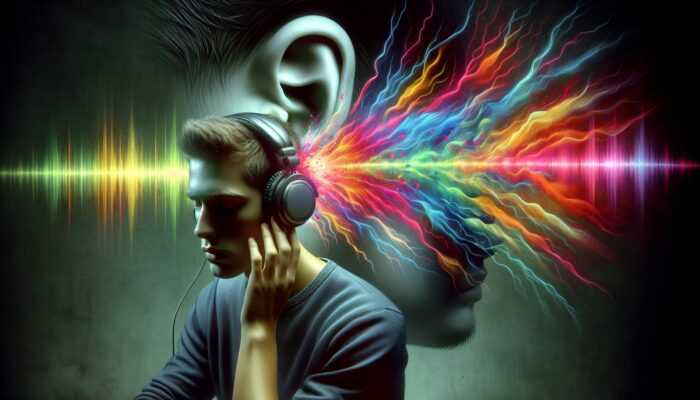
Young adult with headphones amidst sound waves, shadowed by hearing loss risk.

The temptation to indulge in immersive audio experiences through headphones can be incredibly appealing. However, extended exposure to loud music presents serious challenges to our auditory well-being. Numerous studies have shown that consistently listening to music at elevated volumes can result in permanent hearing loss. This risk is notably high among young adults and teenagers, who frequently underestimate the lasting effects of their listening behaviors. Since noise-induced hearing loss cannot be reversed, it is essential to comprehend the risks associated with excessive headphone use to protect your hearing health effectively.

Recent statistics uncover a concerning trend: around 1 in 5 teenagers in developed nations experience varying degrees of hearing loss attributed to loud headphone usage. Various leading global health organizations advocate for safe listening practices and urge users to be vigilant about their volume levels. Implementing the 60/60 rule, which recommends listening at no more than 60% volume for a maximum duration of 60 minutes, can serve as a practical guideline. This simple yet effective strategy can significantly reduce the dangers linked to high-volume listening habits.

Many people underestimate the frequency of experiencing temporary symptoms such as ringing or muffled sounds following a loud listening session—these are critical warning signs of potential hearing damage. If not addressed, these symptoms may progress into more serious conditions that require medical attention. Protecting your hearing should be a fundamental priority, especially in an era where high-quality audio technology is widely accessible.

Understanding the Connection Between Headphone Use and Mental Health

Headphones serve as a personal gateway to music, podcasts, and audiobooks, offering a retreat from the chaos of the outside world. However, excessive use can lead to unintended negative consequences, particularly regarding mental health. Research indicates a significant correlation between overusing headphones and increased feelings of anxiety and depression. Users may find themselves withdrawing socially, relying on this auditory escape as a substitute for genuine interactions with others.

The cultural shift toward virtual communication has solidified headphones as a staple in our daily routines. This trend can foster a sense of disconnection, as individuals often tune out their immediate surroundings. This self-imposed isolation can heighten feelings of loneliness, especially in urban areas where community connections tend to weaken. Actively engaging with the world around you—through conversations, social events, or even casual greetings—provides vital social support that headphones cannot replicate.

Mental wellness is intricately linked to our social interactions. To counteract the potential adverse effects of excessive headphone use, consider incorporating regular breaks into your daily routine to enhance social engagement. Reestablishing connections with friends and family can revitalize your mental state, ultimately leading to a more balanced and fulfilling lifestyle.

Identifying Physical Discomfort Associated with Headphone Use

While the convenience of headphones is undeniable, it often conceals the physical discomfort they can cause when used excessively. Prolonged listening sessions can result in ear pain, headaches, and neck tension. Poor positioning and inadequate fit frequently contribute to these issues; headphones that do not sit correctly can place undue pressure on the ears and surrounding muscles. The rise of remote work and online learning has only intensified our reliance on headphones, often resulting in longer and more frequent usage sessions.

A study conducted by a global health organization revealed that nearly 70% of regular headphone users report experiencing discomfort after extensive use. Although this discomfort may seem minor at first, it can escalate into chronic pain, negatively impacting overall quality of life. Investing in ergonomic headphone designs can significantly improve your experience. Seek out headphones that prioritize comfort while delivering exceptional sound quality without necessitating high volume levels.

Incorporating breaks into your headphone usage is essential for mitigating physical strain. Simple stretches or brief walks can alleviate discomfort and enhance circulation. Setting a timer to remind you to take breaks can also prove beneficial. Being attentive to your body’s signals is crucial—if discomfort arises, heed the warning. The objective is to enjoy your audio experiences without compromising your physical health and well-being.

Assessing the Increased Risk of Ear Infections

Close-up of ear canal with bacteria, showing infection risk from headphone use.

The close contact inherent in headphone use raises significant concerns regarding hygiene and overall health. Ear infections are not merely bothersome; they can lead to severe complications if left untreated. Extended headphone use can create a warm, moist environment in the ear canal, offering an ideal breeding ground for bacteria. Research indicates that individuals who frequently wear headphones, particularly in shared or public settings, are at a heightened risk of developing these infections.

Taking preventive measures is essential to safeguarding your ear health. One effective strategy is to maintain cleanliness; routinely cleaning your headphones with an alcohol wipe and avoiding sharing them can minimize bacterial transfer. Additionally, consider opting for over-the-ear headphones instead of in-ear models, as the latter tends to trap moisture and wax more effectively, increasing the likelihood of infection.

Monitoring your ear health is another critical aspect of prevention. If you experience symptoms such as pain, itchiness, or unusual discharge, it is vital to consult a healthcare professional promptly. Proactive measures can protect your hearing and allow you to relish your music without the fear of adverse health consequences.

Recognizing Distractions and Safety Risks Associated with Headphone Use

Using headphones while navigating busy streets or public areas introduces various safety concerns that must not be ignored. The immersive nature of audio can lead to dangerous distractions, as users may become oblivious to their surroundings. Research has demonstrated that pedestrians wearing headphones are considerably less aware of their environment, resulting in an increased likelihood of accidents.

Awareness is paramount when enjoying your favorite tunes or podcasts. Remain vigilant about your surroundings, and consider limiting headphone use in high-traffic areas or during activities that require complete attention, such as driving or cycling. Striking a balance between enjoying audio content and prioritizing safety should always lean toward caution—your life and well-being are invaluable.

In various urban locations worldwide, laws are evolving to address headphone use while driving or walking. For instance, certain cities have implemented regulations prohibiting headphone use in designated pedestrian zones to enhance safety. As a global community, it is crucial to raise awareness about these risks and advocate for safer listening practices.

Establishing Safe Volume Levels for Headphone Use

Implementing the 60/60 Rule for Safe Listening

Person with earbuds, volume at 60%, 60-minute timer, surrounded by audio devices, promoting safe listening.

The 60/60 rule is a straightforward yet highly effective method for managing your listening habits in a world saturated with high-quality sound. By adhering to the guideline of listening at no more than 60% volume for a maximum of 60 minutes, you can enjoy your favorite audio content while safeguarding your hearing health. This rule is especially vital in an era where earbuds and headphones are ubiquitous, often leading users to unknowingly exceed safe volume levels.

Research conducted by global health organizations underscores the importance of volume regulation. Exposure to sound levels above 85 decibels can be detrimental, particularly when maintained over extended periods. Unfortunately, many popular listening devices can easily surpass this threshold, making it imperative for users to remain vigilant. Adopting the 60/60 rule not only aids in preserving auditory health but also encourages users to take mindful breaks, fostering a healthier relationship with sound.

To further enhance your listening experience, consider setting reminders or utilizing apps that automatically adjust volume levels according to your preferences. Such tools can help keep you accountable and mindful of your auditory habits. Remember, prioritizing your hearing health today can pave the way for a lifetime of enjoyment from your favorite sounds.

Utilizing Volume Limiters for Hearing Protection

Modern technology offers numerous avenues for protecting your hearing, with the use of volume limiters being one of the most effective strategies. Many devices, including smartphones and tablets, come equipped with settings that allow users to cap the maximum volume output. This simple adjustment can serve as a safeguard against accidental exposure to harmful sound levels, providing peace of mind for users of all ages.

When setting volume limits, consider your typical listening environment. If you often find yourself in noisy settings, it may be tempting to increase the volume. Instead, choose high-quality headphones that feature noise-cancellation capabilities. This way, you can enjoy your audio at safer volumes without compromising sound quality.

Furthermore, educating younger users about the importance of volume limiters is crucial. Children and teenagers are particularly vulnerable to hearing damage, making it essential to instill safe listening practices from an early age. In a rapidly evolving technological landscape, ensuring that the next generation understands how to utilize these features responsibly is a shared responsibility among caregivers and educators.

Scheduling Regular Hearing Check-ups for Proactive Care

Proactively monitoring your hearing is an often-overlooked aspect of maintaining auditory health. Regular hearing check-ups are vital for individuals of all ages, especially for those who frequently use headphones. Audiologists recommend scheduling these evaluations at least once a year for adults and even more frequently for younger users or those experiencing any symptoms.

During a hearing evaluation, audiologists can provide valuable insights into any potential issues and recommend appropriate adjustments to your listening habits. Tracking changes in your hearing can aid in identifying harmful patterns early on, allowing you to make informed decisions regarding your audio consumption.

Additionally, advancements in technology have made it easier than ever to monitor your hearing health. Several mobile apps can conduct preliminary hearing tests, offering a convenient way to check your auditory status regularly. While these apps do not replace professional evaluations, they serve as useful tools for fostering self-awareness about hearing health.

Incorporating Breaks into Your Listening Routine

The Essential Role of Breaks in Maintaining Ear Health

Taking regular breaks from headphone use is not merely a suggestion; it is a necessity for sustaining auditory health. Continuous exposure to sound can lead to auditory fatigue, thereby increasing the risk of hearing damage. Implementing structured breaks allows your ears to recuperate, ensuring that your listening experiences remain both enjoyable and safe.

The cumulative effects of prolonged listening can result in a condition known as temporary threshold shift, where you may experience diminished hearing acuity following extended exposure to sound. This phenomenon is prevalent among enthusiastic headphone users and serves as a warning that your ears require a break. Experts recommend adhering to the 60/60 rule, but incorporating breaks every hour can further enhance auditory health.

Consider setting an alarm or timer to remind yourself to pause your audio sessions. Use this time to engage in non-auditory activities such as stretching or enjoying nature. Such breaks not only benefit your hearing but also provide a mental reset, enhancing your overall well-being.

Developing a Structured Break Schedule for Healthy Listening Habits

Creating a structured break schedule can be instrumental in cultivating healthy listening habits. By planning your listening sessions and integrating breaks at regular intervals, you foster a balance that protects your hearing while allowing you to enjoy audio content.

Establishing a routine can be particularly effective for students and professionals who rely on audio for studying or work. For instance, if you generally listen to music while studying, aim for 50 minutes of focused listening followed by a 10-minute break. During these breaks, take a moment to step away from your devices—this practice is essential for both your hearing health and mental clarity.

Encourage friends and family to join you in adopting structured break schedules. Sharing the experience of mindful listening can reinforce positive habits and foster a supportive community focused on auditory health.

Engaging in Activities During Listening Breaks

What you choose to do during breaks can significantly impact your overall well-being. Participating in non-auditory activities not only provides your ears with a much-needed rest but also offers physical and mental benefits. The options are endless: from stretching and moving your body to practicing mindfulness or even engaging in light conversation.

Physical activity is particularly advantageous during these breaks. Simple stretches or short walks can enhance circulation and alleviate tension, contributing to improved mood and focus. Consider stepping outside to enjoy fresh air and natural surroundings—this type of engagement with the environment promotes mental well-being, especially in an increasingly digital world.

Fostering creativity during your breaks can also yield positive outcomes. Consider journaling, sketching, or meditating during your downtime. Engaging in activities that resonate with you can transform break times into opportunities for personal growth and relaxation.

Selecting the Most Suitable Headphones

Exploring the Benefits of Noise-Cancelling Headphones

Investing in headphones equipped with noise-cancelling features can dramatically enhance your listening experience. Noise-cancelling technology significantly reduces ambient sounds, allowing users to enjoy audio at lower volumes. This capability is particularly beneficial in noisy environments such as public transport, bustling cafes, or busy city streets.

Research indicates that users who choose noise-cancelling headphones tend to listen at lower volumes, thereby substantially lowering the risk of hearing damage. In a world filled with loud sounds, this technology is not just a luxury but a necessary precaution for preserving auditory health.

While noise-cancelling headphones may come at a higher price point, the investment can pay off in terms of preserving your hearing health and enhancing overall enjoyment. Whether you are an avid traveler or simply cherish moments of peace while working, the advantages of utilizing noise-cancelling headphones are undeniable.

Prioritizing Comfort and Fit in Headphone Selection

The significance of comfort in selecting headphones cannot be overstated. Well-fitting headphones minimize physical discomfort and enable longer listening sessions without strain. Poorly fitted headphones can lead to ear pain and headaches, detracting from the enjoyment of your audio experience.

When choosing headphones, prioritize models that are adjustable and come with various ear tip sizes to ensure a personalized fit. Over-ear designs may provide more comfort for prolonged use, while in-ear options might be more suitable for those seeking portability. Always consider trying out several different pairs to find the one that best meets your needs.

Additionally, many brands now offer ergonomic designs specifically aimed at maximizing comfort during extended use. Investing in high-quality headphones not only enhances sound quality but also guarantees a pleasant listening experience that supports safe audio habits.

Ensuring Durability and Quality in Headphone Choices

Durability and quality are paramount when selecting headphones, particularly for regular users. Investing in high-quality headphones ensures that you receive exceptional sound performance and comfort—both critical for safe listening. Cheaper models may save you money upfront but often compromise on sound quality and durability, leading to increased wear and tear over time.

Look for headphones crafted from quality materials that can withstand daily use. Research from audio enthusiasts and reviewers can help guide you in identifying brands known for producing reliable headphones. Recommendations based on user experiences can also offer valuable insights into which models stand the test of time.

In a rapidly evolving technological landscape, it’s essential to select headphones that can adapt to your changing needs. Features such as wireless connectivity, comfort, and sound quality should inform your purchasing decision. Ultimately, a thoughtful investment in high-quality headphones will benefit your auditory health and enjoyment for years to come.

Fostering Education and Awareness Around Safe Headphone Use

Participating in Awareness Campaigns for Auditory Health

Engaging in awareness campaigns centered on safe headphone use can significantly impact community health. These initiatives provide valuable information on the risks associated with excessive headphone use and promote safe listening practices. Global organizations frequently host events aimed at educating the public, and participating in such activities can amplify your voice while fostering a culture of awareness within your community.

Consider organizing local workshops or seminars focused on sharing knowledge about auditory health. Collaborate with audiologists or public health professionals to present current research and recommendations. Communities greatly benefit from grassroots campaigns that empower individuals to take charge of their hearing health and encourage safe practices.

Utilizing social media platforms can also enhance your outreach efforts. Share informative posts, personal experiences, or tips on safe headphone use with your network. These platforms can serve as powerful tools for disseminating information and initiating discussions about auditory health on a global scale.

Disseminating Knowledge About Safe Listening Practices

Education becomes most impactful when shared. By informing friends and family about the dangers associated with headphone overuse and the importance of safe listening practices, you can help cultivate a more health-conscious community. Initiate conversations about auditory health during gatherings, or share informative articles and videos that highlight essential points for safe headphone use.

Encouraging discussions about each other’s listening habits can inspire behavior changes and mutual support. Establish family guidelines for headphone use, particularly for children, to ensure safe practices are integrated into daily life. Empowering others with knowledge creates a ripple effect, ultimately leading to increased awareness about the importance of safe headphone use.

Connecting with online communities or forums dedicated to auditory health can also provide valuable insights and shared experiences. Exchanging tips and resources with like-minded individuals enhances your understanding of the importance of safe listening habits.

Staying Updated on Auditory Health Research and Recommendations

In a continuously evolving world, staying informed about the latest research and recommendations regarding safe headphone use is vital. Regularly reading articles, scientific studies, and news updates related to auditory health can equip you with current knowledge, empowering you to make informed decisions about your listening habits.

Subscribing to reputable health organizations or audiology journals can keep you abreast of emerging trends and technologies in the field. Understanding the science behind hearing health enables you to advocate for safe practices effectively within your community.

Attending conferences or seminars on auditory health provides additional opportunities to learn from experts. Networking with professionals in the field can lead to valuable insights and resources that you can share with your community. Being proactive in your learning journey benefits not only you but also contributes to the collective knowledge about safe headphone use.

Monitoring Your Listening Habits for Better Auditory Health

Maintaining a Listening Diary for Insightful Self-Reflection

Tracking your headphone usage through a listening diary can unveil valuable patterns and insights about your habits. Documenting when and how long you listen can help identify potential risks associated with excessive use. Are there specific times of day when you tend to listen more? Do you frequently increase the volume in noisy settings?

A listening diary can also serve as a motivational tool. By visualizing your listening habits, you can set goals for reducing excessive use or incorporating more breaks into your routine. This simple yet effective method fosters self-awareness and accountability concerning your audio consumption.

Involving friends or family members in this journaling practice can amplify its effectiveness. Sharing your findings can create a supportive environment for everyone to prioritize their auditory health and make positive changes together.

Leveraging Technology: Apps and Tools to Monitor Listening Habits

The digital age offers a plethora of tools and apps designed to help users monitor and limit headphone use. Many of these applications allow users to track listening habits, establish time limits, and receive reminders to take breaks. Utilizing technology in this manner can provide an additional layer of accountability for those seeking to protect their hearing.

Explore apps that provide auditory feedback, indicating when you’ve reached potentially harmful volume levels. These tools can empower you to make informed decisions regarding your listening habits while helping you adhere to guidelines like the 60/60 rule.

Additionally, engage with online communities to discover which apps others find most beneficial. Sharing insights and experiences about technology can enhance your understanding of how to effectively manage your audio consumption and promote safe practices.

Reflecting on Your Listening Habits for Continuous Improvement

Regularly reflecting on your headphone usage is crucial for ensuring that your habits align with safe practices. Take time to consider how often you listen, the environments in which you typically use headphones, and any symptoms of discomfort. This self-reflection can lead to valuable insights about areas needing improvement.

Dedicate time each week to assess your listening habits and identify any necessary adjustments. Have there been instances where you found yourself listening at high volumes? Were there days when you exceeded your usual listening time? This ongoing reflection can guide you in establishing healthier habits moving forward.

Encouraging friends or family to join you in this reflective practice can enhance accountability and promote a culture of safe listening. Together, you can create shared goals and celebrate milestones related to improving your auditory health.

Encouraging Alternatives to Headphone Usage

Opting for Speakers When Possible to Reduce Ear Strain

Choosing speakers over headphones can be a refreshing alternative that promotes safer listening levels. While headphones offer an immersive experience, using speakers allows you to enjoy sound without direct exposure to your ears. This method is particularly beneficial in social settings, where shared listening can enrich bonding experiences.

Consider setting up a speaker system in your home or office, enabling you to enjoy music, podcasts, or audiobooks without the associated risks of headphone use. By creating a vibrant audio environment, you can engage with your surroundings and encourage a more communal experience.

Moreover, using speakers can help promote mindfulness about volume levels, as it is easier to manage loudness when sound is projected into a room rather than directly into your ears.

Advocating for Open-Ear Devices for Safer Listening

Open-ear devices, such as bone conduction headphones, present an innovative alternative to traditional headphones. These cutting-edge devices transmit sound through the bones in your skull, allowing users to hear ambient sounds while enjoying audio content. This design minimizes isolation and fosters awareness of one’s surroundings, making it a safer choice for outdoor activities.

Research indicates that individuals utilizing open-ear devices report a more balanced auditory experience, enabling them to stay aware of their environment without sacrificing sound quality. This technology is particularly advantageous for runners and cyclists who need to remain alert while enjoying music or podcasts.

Encouraging the adoption of open-ear devices among friends and family can help cultivate a culture of safe listening practices. By showcasing the benefits of this innovative technology, you can assist others in prioritizing both their auditory enjoyment and safety.

Frequently Asked Questions About Safe Headphone Use

What are the potential dangers of excessive headphone use?

Excessive headphone use can lead to permanent hearing loss, social isolation, heightened anxiety, physical discomfort, and an increased risk of ear infections. Being aware of these risks is crucial for protecting your auditory health.

How can I establish safe listening levels?

Adhere to the 60/60 rule: listen at 60% volume for no more than 60 minutes. Utilizing volume limiters and scheduling regular hearing check-ups can also aid in maintaining safe listening levels.

Why are breaks essential during headphone use?

Taking breaks prevents auditory fatigue, lowers the risk of hearing damage, and gives your ears a chance to recover. Regular breaks also enhance your mental clarity and contribute to your overall well-being.

What should I consider when selecting headphones?

Look for noise-cancelling features, ensure a comfortable fit, and invest in durable, high-quality headphones. Prioritize models that deliver excellent sound quality while minimizing the risk of physical discomfort.

How can I educate others about safe headphone practices?

Share knowledge through discussions, social media, and awareness campaigns. Organizing local workshops or collaborating with health professionals can also amplify your impact on spreading awareness.

What tools can assist me in monitoring my listening habits?

Consider using apps designed to track headphone usage, set time limits, and remind you to take breaks. These tools can help keep you accountable and support the maintenance of safe listening practices.

What activities can I engage in during breaks from headphones?

Participate in non-auditory activities such as stretching, walking, journaling, or socializing. These activities promote both physical and mental well-being while providing your ears with a much-needed rest.

How do open-ear devices enhance safety?

Open-ear devices like bone conduction headphones allow users to hear ambient sounds while enjoying audio content, fostering awareness of surroundings and reducing feelings of isolation.

Why are regular hearing check-ups necessary?

Regular check-ups help monitor changes in your hearing and identify potential issues early on. They provide valuable insights into your auditory health and effective listening habits.

What are the benefits of noise-cancelling headphones?

Noise-cancelling headphones diminish ambient noise, allowing users to enjoy audio at lower volumes. This feature significantly reduces the risk of hearing damage while enhancing the overall listening experience.

Explore our journey on X!

The post Limit Headphone Use Safely: Your Essential Guide appeared first on The Microsuction Ear Wax Removal Network.

Hearing Damage Prevention: Essential Tips for Fireworks Safety

Exploring the Connection Between Fireworks and Hearing Loss Risks

Fireworks are an exhilarating component of cultural festivities around the globe, yet the potential auditory repercussions often remain unnoticed. The loud explosive sounds generated during these displays can reach alarming decibel levels, which pose significant threats to our hearing health. Understanding the ways in which these vibrant celebrations can negatively impact our auditory systems is essential for everyone, particularly for those who frequently attend fireworks shows. By raising awareness about the potential dangers, we can take steps to protect our hearing while still enjoying the excitement that fireworks bring to our celebrations.

Understanding the Mechanism Behind Fireworks-Induced Hearing Damage

The loud blasts produced by fireworks create a chaotic symphony of sound that can reach dangerously high decibel levels. The unique explosive reaction within fireworks generates powerful noise due to the rapid expansion of gases, which ignites and creates sound waves. The fragile structures of the inner ear, responsible for converting sound vibrations into signals for the brain, are particularly vulnerable to damage from these intense auditory events. Even a single exposure to the explosive sounds of fireworks can result in a temporary threshold shift, where an individual experiences a temporary reduction in hearing ability. If exposure is frequent or prolonged, the risk escalates to permanent hearing loss, as the delicate hair cells in the inner ear may face irreversible damage. This risk is notably higher for those positioned close to the explosions, where decibel levels can reach unsafe thresholds.

Decibels and the Science of Sound: Understanding the Risks

Grasping the principles of sound is crucial for understanding the hazards linked to fireworks. Sound intensity is measured in decibels (dB), and it is widely accepted that sounds exceeding 85 dB can pose risks to hearing health. Fireworks commonly exceed 140 dB, a level capable of inflicting immediate harm to hearing receptors. The nature of sound intensity is logarithmic; hence, an increase of 10 dB signifies a tenfold increase in sound intensity. This stark difference highlights the contrast in sound intensity between everyday sounds, such as a normal conversation at around 60 dB, and the deafening blasts of fireworks. On a broader scale, raising awareness of these sound levels allows individuals to make informed choices regarding their exposure to fireworks, especially during public celebrations and holidays where large crowds gather.

Understanding the Long-Term Consequences of Fireworks Exposure

Repeated exposure to the loud sounds generated by fireworks can lead to immediate discomfort but also harbor cumulative long-term effects. Over time, individuals may suffer from progressive hearing loss, often without realizing it until significant auditory damage has occurred. Audiologists have noted that chronic exposure to environments with high decibel levels, including those generated by fireworks, can lead to a gradual decline in hearing ability. Additionally, this risk can be amplified by various factors, such as aging, pre-existing health issues, and genetic susceptibilities. The dangers are particularly pronounced for individuals living in bustling urban areas where fireworks displays occur with high frequency.

Effective Strategies to Prevent Fireworks-Induced Hearing Loss

Family at a safe distance from fireworks, wearing colorful ear protection, children adjusting earplugs, vibrant night sky.

Taking proactive measures to prevent hearing damage from fireworks begins with awareness. Utilizing ear protection, such as specialized earplugs or earmuffs engineered for high-decibel environments, can significantly reduce the risks associated with loud sounds. Maintaining a safe distance from the fireworks launch site is equally important; the further you are from the source of the explosions, the less intense the sounds will be. Additionally, limiting the duration of exposure to fireworks is crucial for safeguarding hearing health. For families with children, instilling the habit of using ear protection from a young age can help foster lifelong practices that protect their auditory well-being.

Preparatory Steps for Safe Fireworks Viewing

Preparation plays a vital role in ensuring a responsible and enjoyable fireworks experience. By implementing preventive measures beforehand, individuals can greatly diminish the chances of incurring hearing damage.

Selecting Appropriate Ear Protection for Fireworks Events

Choosing the right ear protection is essential in preventing hearing damage from fireworks. Opting for earplugs specifically designed for high-decibel environments can significantly lower sound intensity while allowing you to enjoy the visual spectacle. Earmuffs, particularly those rated for use at concerts or loud events, provide an additional protective layer. Ensuring a proper fit is crucial; ill-fitting ear protection may compromise efficacy. There is a variety of options available, ranging from disposable foam earplugs to reusable silicone alternatives, accommodating different comfort preferences and needs. The selection should depend on anticipated noise levels and personal comfort to ensure maximum protection.

Preparing for Fireworks Events: Key Considerations

Family at fireworks display, using blankets, chairs, earplugs, and earmuffs for safety.

When planning to attend fireworks displays, thorough preparation is essential for ensuring safety. Assessing your proximity to the fireworks is critical; the closer you are, the louder the noise will be. Arriving early allows you to secure a prime viewing spot that is also at a safe distance from the launch site. Additionally, having ear protection readily available is vital; packing extra earplugs or earmuffs ensures that you or others can easily access protection if needed. Anticipating the event’s noise level based on the types of fireworks being utilized can further aid in making informed decisions regarding protective measures.

Educating Family and Friends About Fireworks Safety

Promoting awareness about the importance of ear protection during fireworks events is essential. Many individuals underestimate the potential harm that loud noises can inflict on hearing health. Encourage family members and friends to prioritize ear protection and engage them in conversations about the risks associated with fireworks displays. Children, in particular, should be taught about the necessity of protective gear in an enjoyable and engaging manner. By fostering a culture of safety and awareness around fireworks, we can ensure a more enjoyable experience for everyone involved while protecting their hearing.

Ensuring Safety During Fireworks Displays

As the fireworks light up the sky, maintaining safety and awareness is paramount. Adhering to specific guidelines can greatly reduce the risk of hearing damage during these exhilarating displays.

Importance of Maintaining a Safe Distance from Fireworks

One of the most effective strategies for protecting your hearing while enjoying fireworks is to maintain a safe distance from the display. The intensity of sound diminishes as distance increases, making it crucial to position yourself away from the launch site to significantly lower noise levels. While many individuals may prefer to sit closer for an enhanced view, prioritizing safety over spectacle is essential. Large public fireworks displays often have designated viewing areas that are both enjoyable and safe. Familiarizing yourself with the venue layout can enhance your experience while safeguarding against the detrimental effects of loud sounds.

Proper Usage of Ear Protection During Fireworks

Even the most effective ear protection can fail if not used correctly. If you opt for earplugs, ensure they are inserted deeply enough to adequately block sound without causing discomfort. Earmuffs should fit snugly over the ears to create an effective seal. For families, educating children on how to wear ear protection correctly is crucial to ensure they benefit fully from these safety measures. Always check the noise reduction rating (NRR) of your protective gear to confirm it meets the necessary standards for high-decibel environments like fireworks displays.

Supervising Children’s Exposure to Fireworks Noise

Children are particularly susceptible to hearing damage from fireworks. It is vital to ensure that young ones are equipped with ear protection and that their usage is actively monitored. Kids may not fully comprehend the importance of keeping their ear protection in place, so engaging them in discussions about the significance of noise safety can cultivate understanding. Parents should set a positive example by wearing their protective gear and demonstrating its importance. Designating an area where children can safely enjoy the show while being distanced from the noise can also be advantageous.

Educating Event Attendees on Safety Protocols

In addition to individual preparations, it is critical to educate all attendees about safety protocols to enhance the collective experience. Discussing where to stand, appropriate behavior during emergencies, and the importance of adhering to instructions from event organizers can foster a safer environment. Cultivating an understanding of the risks associated with fireworks among all participants can empower individuals to make informed choices about their health and enjoyment, ultimately leading to a more responsible attitude toward fireworks displays.

Post-Event Care: Monitoring Hearing Health

Once the fireworks have concluded, it is essential to assess any potential impacts on your hearing health. Being proactive about post-event care can significantly influence your auditory well-being.

Identifying Symptoms of Hearing Damage After Fireworks

After attending a fireworks display, it is crucial to remain vigilant for any signs of hearing damage. Symptoms such as ringing in the ears, known as tinnitus, or experiencing muffled hearing can indicate that your auditory system has been compromised. In some instances, individuals may experience temporary discomfort that may subside within a few hours. However, being mindful of these symptoms and taking them seriously is vital for safeguarding long-term hearing health. If any symptoms persist, it is essential to seek medical attention to address potential issues.

Importance of Seeking Medical Attention for Hearing Issues

If you experience ongoing hearing problems following a fireworks event, consulting a healthcare professional is crucial. Audiologists can conduct comprehensive hearing assessments to evaluate the extent of any damage and recommend appropriate treatment options. Early intervention is key in preventing long-term consequences, as certain hearing issues may be reversible if addressed promptly. Prioritizing your hearing health is paramount, and seeking help can mitigate the risk of further complications.

Allowing Your Ears to Rest After Loud Noises

Following exposure to loud noises, it is essential to allow your ears adequate time to recover. This means refraining from further exposure to loud sounds during your recovery period. Whether by avoiding loud music, steering clear of crowded events, or simply enjoying quiet time at home, allowing your ears to rest can significantly aid in the recovery process. Simple practices, like spending time in quieter environments, can help restore your hearing health over time and prevent further complications.

Commitment to Using Protective Measures for Future Events

To ensure the safety of your hearing during future fireworks displays and other loud events, it is crucial to commit to consistently using ear protection. Whether you choose earplugs or earmuffs, being diligent about wearing them can foster sustainable habits that protect your auditory health. Moreover, advocating for safe practices within your community can help raise awareness and encourage others to prioritize hearing safety, ultimately fostering a culture that values auditory health during celebratory events.

Exploring Alternatives to Conventional Fireworks Displays

As awareness regarding the risks associated with fireworks increases, the exploration of alternatives to traditional fireworks becomes increasingly important. Innovations in entertainment can offer thrilling experiences while prioritizing hearing safety.

Discovering Quieter Fireworks Options for Safer Celebrations

Not all fireworks need to be loud to be enjoyable. Quieter fireworks options are gaining popularity, providing a balanced approach between visual stimulation and auditory safety. These displays produce significantly less noise while still delivering a stunning visual spectacle. For individuals who appreciate the beauty of fireworks but are concerned about potential hearing damage, quieter alternatives like low-noise fireworks represent an excellent choice. Communities can consider incorporating these safer options into their firework shows, leading to enhanced enjoyment for all.

Engaging Audiences with Laser Light Shows

Laser light shows offer an exciting and visually stunning alternative to traditional fireworks. These captivating displays create remarkable visual effects without the accompanying loud noises common with pyrotechnics. Increasingly popular at festivals and events across the globe, laser light shows showcase vibrant colors and mesmerizing designs that enchant audiences of all ages. As communities seek to provide engaging visual experiences, laser light shows can serve as a sustainable option that minimizes the risk of hearing damage from fireworks.

Innovative Drone Displays: A New Frontier in Entertainment

Cutting-edge drone displays are emerging as a unique and quiet alternative to fireworks. By utilizing coordinated drones equipped with LED technology, these shows can create intricate patterns and mesmerizing visuals in the night sky without the loud explosions characteristic of traditional fireworks. Drone displays offer an environmentally friendly and safe alternative that is gaining momentum worldwide. As technology advances, embracing such innovative options can provide spectacular experiences while prioritizing the safeguarding of hearing health.

Building Community Awareness About Fireworks and Hearing Safety

Raising awareness about the risks associated with fireworks is imperative for cultivating a culture of safety. Communities play a vital role in advocating for responsible fireworks practices.

Promoting Safe Fireworks Practices Within Communities

Local organizations and community leaders can spearhead initiatives to promote safe fireworks practices. These efforts can include public campaigns highlighting the significance of using ear protection and maintaining safe distances from fireworks displays. Community events can serve as platforms for educating residents about the risks of hearing damage from fireworks, ensuring that everyone is informed and prepared. By fostering awareness at the community level, we can cultivate a safer environment for all.

Empowering the Public Through Hearing Health Education

Educational programs focused on hearing health can empower individuals to take proactive steps to protect their hearing. Workshops, informational brochures, and community seminars can provide valuable insights into the importance of hearing protection during fireworks events and other loud environments. Collaborating with health professionals and audiologists can enhance the credibility of these programs and help dispel misconceptions about noise exposure. Raising awareness about hearing health on a broader scale can lead to significant improvements in public understanding and behavior.

Advocating for Responsible Fireworks Use in the Community

Community leaders can advocate for responsible fireworks use by promoting local regulations that limit fireworks usage or mandate safety measures during public displays. By initiating conversations about the implications of fireworks on hearing health, communities can champion safer alternatives and best practices. Encouraging participation in community-led initiatives can foster a sense of responsibility among residents, emphasizing the importance of protecting not only their own hearing but also that of their neighbors and loved ones.

Creating a Culture of Safety Around Fireworks Displays

Establishing a culture of safety surrounding fireworks requires collaboration among various stakeholders, including event organizers, community leaders, and the public. Encouraging open discussions about the risks associated with loud noises can lead to more informed and cautious approaches to fireworks displays. As communities unite to prioritize hearing safety and awareness, their collective efforts can ultimately create a safer environment for everyone involved.

Frequently Asked Questions About Fireworks and Hearing Safety

What are the decibel levels typically associated with fireworks?

Fireworks generally exceed 140 decibels, which can result in immediate hearing damage upon exposure.

What steps can I take to prevent hearing damage when attending fireworks?

Utilizing earplugs or earmuffs, maintaining a safe distance from the display, and limiting your exposure time can significantly lower the chances of hearing damage.

Are there quieter fireworks options available?

Indeed, there are quieter fireworks alternatives designed to minimize noise while still providing an impressive visual display.

What actions should I take if I experience ringing in my ears after a fireworks event?

If you notice persistent ringing or discomfort in your ears following fireworks, it is advisable to consult a healthcare professional for a thorough evaluation.

Are laser light shows considered safe alternatives to traditional fireworks?

Absolutely! Laser light shows provide an impressive visual experience without the loud noise commonly associated with traditional fireworks.

How can I select the appropriate ear protection for fireworks events?

Seek out earplugs or earmuffs specifically designed for high-decibel environments, ensuring they fit snugly for optimal protection.

Is it safe for children to use ear protection during fireworks displays?

Yes, children should wear ear protection during fireworks displays, and parents should supervise to ensure they are wearing it correctly.

What are the long-term effects of repeated exposure to fireworks noise?

Repeated exposure to fireworks can lead to gradual, long-term hearing loss, increasing the likelihood of permanent auditory damage.

How can communities promote safe fireworks practices effectively?

Communities can organize educational campaigns, promote the use of ear protection, and advocate for quieter fireworks options to enhance safety.

What proactive measures can I take to protect my hearing at loud events?

Implementing ear protection, closely monitoring exposure time, and maintaining a safe distance from sources of noise are essential strategies for protecting your hearing.

Explore our world on X!

The post Hearing Damage Prevention: Essential Tips for Fireworks Safety appeared first on The Microsuction Ear Wax Removal Network.